
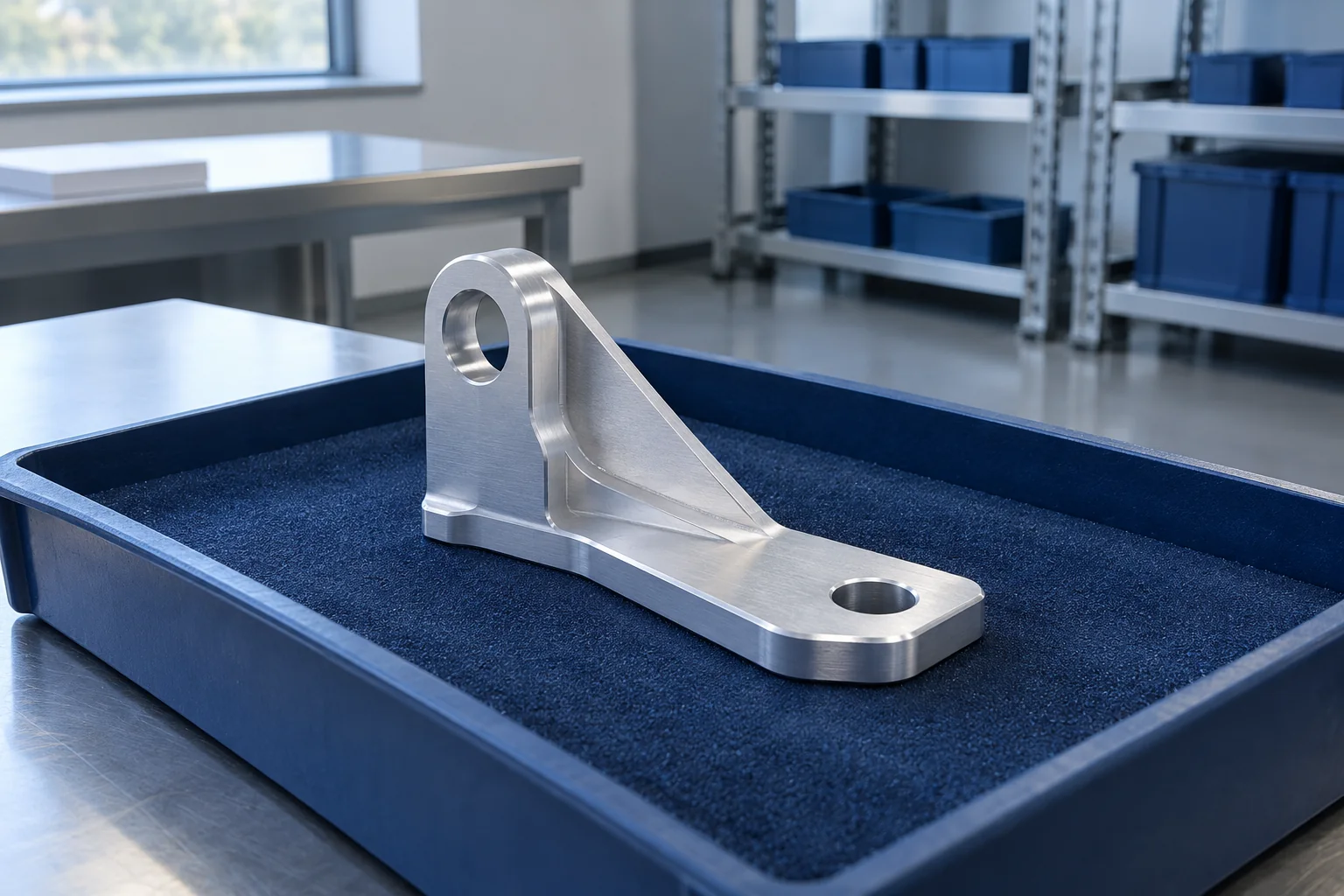
Part designation and serial number serve different purposes
A delivery may appear consistent by name yet require checking of its variant. A catalogue designation identifies the item stated, a serial number links documents to a particular specimen and a lot number helps trace materials or items accounted for by lot. These identifiers cannot replace one another. It is useful to list them in separate fields in the examination brief.
Compare the item markings, nameplate, packaging label, specification and accompanying document. Preserve the exact spelling of indices and suffixes. If a designation changed after modification, the basis for the change and an operation record are needed. Similar connector geometry or the same commercial name do not by themselves establish equivalence of two variants.
Separate completeness, condition and intended use
First identify what should have been delivered: an individual unit, an assembly with accessories or a kit for particular work. The list of fasteners, plugs, cables and documents comes from the agreed specification. A missing transport accessory and missing functional element have different technical significance; the comment's description must show this distinction.
Then clarify the stated condition: new, previously operated, repaired or supplied for subsequent restoration. ‘Serviceable’ and ‘after repair’ need explanation through documents and checks performed. A supply examination establishes verified properties of the transferred object; deciding suitability for a particular installation requires its own assessment using relevant documentation.
Reconstruct the information chain for the particular specimen
For a used component, installation and removal entries, removal reason, operating time and repair history are significant. If hours, cycles or calendar limits are recorded, retain the original units and the date to which values relate. Adding different indicators or transferring information from another specimen can create the appearance of a complete history where none exists.
Check which item each appendix concerns and which status it supports. A document about an operation performed does not automatically describe all preceding operation. When the chain is broken, make the request specific: which period, identifier or transfer between owners remains unsupported. A missing entry alone is not sufficient technical evidence that a component is counterfeit.
Distinguish the condition on receipt from subsequent changes
Packaging, seals, protective coatings, moisture traces and mechanical damage help describe condition at handover. Photographs are linked to the receipt date and a particular item location. If several participants opened the packaging, preserve the opening sequence and records. Otherwise, damage discovered later is difficult to attribute confidently to a particular supply stage.
Storage duration and conditions are considered according to item type and manufacturer documentation. It is particularly important not to confuse a well-preserved exterior with confirmation of internal condition. Before agreeing an examination programme, do not clean markings with aggressive products, connect the component or dismantle it for checking. Provide information about all interventions already performed and which signs may have changed.
Document discrepancies as verifiable items
A working table must link the requirement, document provided, actual sign and remaining question. For each item, it is useful to identify the source and checking method: document comparison, inspection or a separate examination. This enables discussion of a particular non-compliance rather than an overall impression of the delivery.
Record separately who prepared each document set version and when. If the supplier sends clarification, retain the original alongside the new version. Correcting a number may resolve a paperwork discrepancy, but the corrected document's connection to the delivered specimen must still be verifiable through independent signs.
- Do the designation, variant and serial number match across all materials relating to the specimen?
- Which specification item is missing or different, and how was this established?
- Which operating time, repair and storage information is supported, and which requires a request?
- Which characteristics cannot be established from the materials provided without further work?